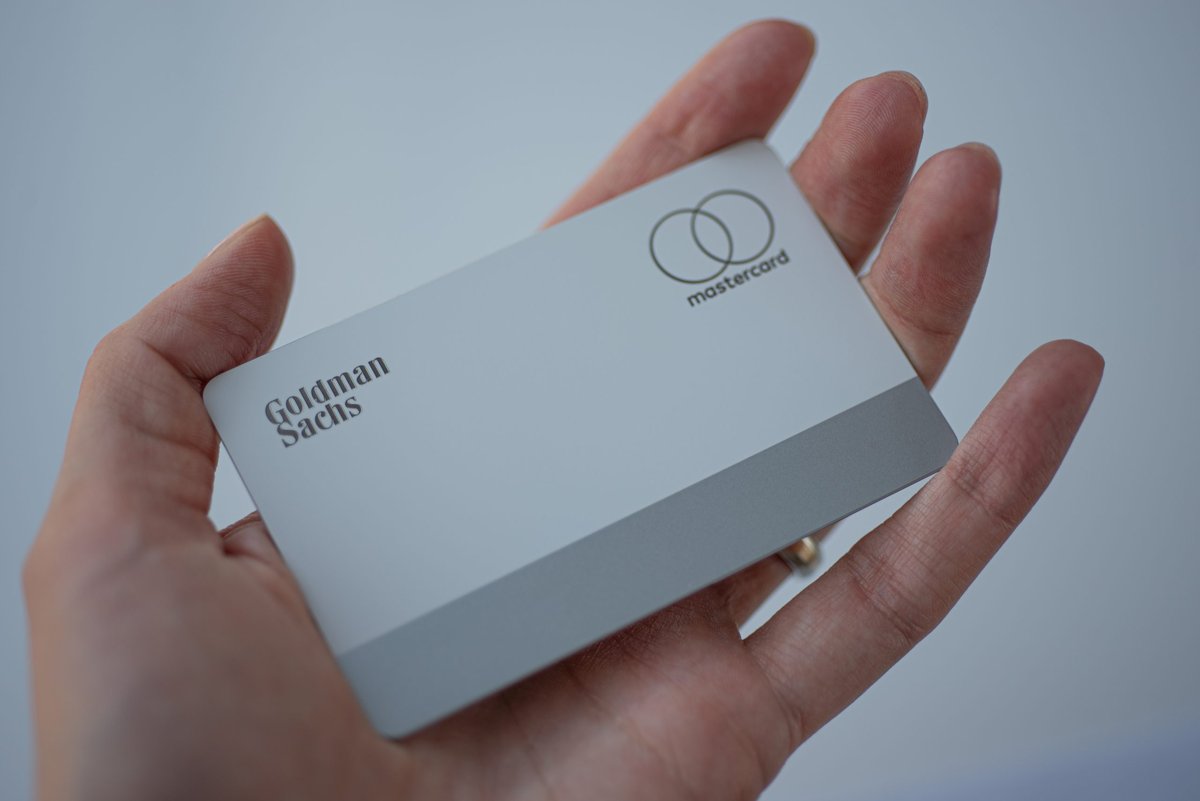
When you're trying to find the perfect credit card, the options can feel overwhelming. And then Apple steps in with its sleek, minimalist Titanium card and promises of daily cash back. The Apple Card certainly has a unique appeal, but how does it stack up when you're Comparing Apple Card to Other Top Credit Cards available today? Is it truly a game-changer, or just another shiny object in your digital wallet?
As a seasoned financial journalist, I’ve delved deep into the fine print and spoken with countless users to cut through the marketing hype. The truth is, the "best" card isn't universal; it's the one that best fits your spending habits and financial goals. Let's break down the Apple Card's real value against some formidable competitors.
At a Glance: What Makes the Apple Card Stand Out
Before we dive into the nitty-gritty comparisons, here are the core features that define the Apple Card experience:
- No Annual, Late, or Foreign Transaction Fees: A big win for simplicity and cost savings.
- Daily Cash Rewards: Earns 3% on Apple purchases and select partners (e.g., Exxon, Nike, Uber) when using Apple Pay, 2% on all other Apple Pay purchases, and 1% on physical card purchases. Rewards are available daily.
- Seamless Apple Integration: Apply, manage, and pay directly through the Wallet app on your iPhone.
- Strong Privacy & Security: Features like dynamic CVVs, built-in security, and multiple card numbers for online purchases. Recognized by Bankrate as "Best Credit Card for Privacy" in 2024.
- Apple Product Installments: Interest-free monthly payments for Apple devices, still earning 3% Daily Cash.
- Variable APR: Ranges from 18.74% to 28.99% as of late 2024, with potential 0% introductory APR offers.
The Apple Card Deep Dive: More Than Just a Pretty Card
The Apple Card, issued by Goldman Sachs, isn't just about its distinctive design; it's designed to integrate deeply into the Apple ecosystem. For many, its biggest draw is the promise of simplicity and transparency. No hidden fees means exactly that: no annual fee to justify, no late fees if you miss a payment (though interest will still accrue), and no foreign transaction fees when you travel. This can be a huge relief in a credit card market often riddled with fine print.
The Daily Cash rewards program is another cornerstone of its appeal. Getting 3% back on everything Apple, from a new iPhone to an App Store purchase, is quite competitive. Add to that 3% at partners like Exxon, Nike, and Uber when you use Apple Pay, and the value proposition grows. The 2% back on all other Apple Pay purchases is solid, especially given the increasing acceptance of contactless payments. However, here's where the first major asterisk appears: if you rely on the physical titanium card, your reward drops to just 1% on those purchases. This heavy reliance on Apple Pay for maximizing rewards is a critical consideration.
Managing your card, tracking spending, and making payments are all handled through the Wallet app on your iOS device. This streamlined experience is a huge plus for Apple enthusiasts, offering clear spending summaries, interest calculations, and payment schedules. The card also offers a 0% introductory APR on purchases for 6 to 24 months, which can be beneficial for larger purchases, as well as interest-free monthly installments for Apple products, which still earn that sweet 3% Daily Cash. Security is also a strong suit, with features like zero liability protection, Mastercard ID theft protection, and real-time fraud monitoring contributing to its high ranking in the 2025 J.D. Power U.S. Credit Card Satisfaction Study.
Why Compare? The Shifting Landscape of Credit Card Rewards
In a world where every dollar counts, simply having a credit card isn't enough; you want one that actively rewards your spending habits. The credit card market is a vibrant, competitive space, with issuers constantly vying for your business by offering enticing rewards, sign-up bonuses, and perks. This makes how to choose the right credit card a significant decision, not just a casual choice.
While the Apple Card shines in its niche, it’s crucial to understand that other cards might offer greater overall value depending on your lifestyle. Perhaps you spend more on groceries, or travel frequently, or simply prefer a higher baseline cash back rate that doesn't depend on using a specific payment method. Ignoring these alternatives means potentially leaving significant rewards on the table.
Apple Card's Strengths & Where It Falls Short (Against the Pack)
To fairly assess the Apple Card, we need to highlight its definitive advantages and pinpoint areas where competitors might pull ahead.
Where the Apple Card Shines Bright:
- Simplicity & Transparency: Zero annual, late, or foreign transaction fees simplify your financial life. No complex reward tiers to activate or track (beyond Apple Pay usage).
- Integrated Experience: For iPhone users, the Wallet app integration is unparalleled. Real-time spending updates, easy payment management, and security features are all at your fingertips.
- Privacy & Security: With unique card numbers for online transactions and no CVV on the physical card, Apple Card sets a high bar for digital security and privacy.
- Daily Cash: Getting your cash back every day is a unique and satisfying perk, allowing immediate use for payments or deposits.
- Apple Product Installments: A fantastic perk for Apple enthusiasts, offering interest-free financing with cashback.
Where It Might Leave You Wanting More:
- Lower Baseline Rewards: The 1% cash back on physical card purchases is notably lower than many no-annual-fee competitors, which often offer 1.5% or 2% on all purchases, regardless of payment method.
- Apple Pay Dependency: Maximizing rewards (3% and 2%) hinges entirely on using Apple Pay, which isn't universally accepted. If you frequently shop at places that don't take contactless payments, your rewards will suffer.
- No Sign-Up Bonus: Unlike many competing cards that offer a substantial cash bonus after meeting an initial spending requirement, the Apple Card typically does not.
- Lack of Travel Perks: It's a straight cash-back card, with no specific travel benefits like airline miles, hotel points, or travel insurance that many premium cards offer.
- Limited Redemption Options: Daily Cash is straightforward (applied to balance, deposited to bank, or Apple Cash), but some cards offer more flexible redemption for travel, gift cards, or merchandise that can sometimes yield higher value.
Head-to-Head: Apple Card vs. The Top Contenders
Now, let’s pit the Apple Card against some of its fiercest competitors across different categories, helping you see where each card truly excels.
For Universal Cash Back Earners (No Annual Fee):
If your priority is earning a consistent, high cash back rate on everything you buy, without worrying about categories or payment methods, the Apple Card’s 1% physical card rate can feel restrictive.
- Citi Double Cash Card:
- The Punch: $0 annual fee. Earns a solid 2% cash back on all purchases (1% when you buy, 1% when you pay).
- Why it's a Contender: This card is the gold standard for straightforward, universal cash back. If you don't want to think about where or how you're paying, 2% on everything is hard to beat. It also offers a $200 bonus after $1,500 spend in 6 months, a feature largely absent from Apple Card.
- Apple Card Comparison: Citi Double Cash beats the Apple Card's 1% baseline hands down for physical card purchases and offers the same 2% as Apple Pay purchases, but universally. Apple Card only wins if you spend heavily on Apple products or its specific 3% partners.
- Wells Fargo Active Cash Card:
- The Punch: $0 annual fee. Earns an unlimited 2% cash rewards on all purchases.
- Why it's a Contender: Similar to the Citi Double Cash, the Active Cash provides a flat, highly competitive 2% cash back everywhere. It often comes with a strong sign-up bonus ($200 cash reward after spending $500 in the first 3 months) that adds immediate value.
- Apple Card Comparison: Again, a clear winner for universal spending. If you're not an Apple devotee or heavy Apple Pay user, 2% on everything with the Active Cash provides more consistent value than the Apple Card's fluctuating 1-3% tiers.
For Targeted Spending & Bonus Categories:
If you're willing to manage bonus categories or have specific spending habits (like groceries, gas, dining), other cards can offer much higher reward rates than the Apple Card.
- U.S. Bank Shopper Cash Rewards Visa Signature Card:
- The Punch: Offers 6% cash back on your two chosen categories (from a list of 20+) up to a $1,500 quarterly cap, then 1.5%. You could, for instance, choose Apple as one of your 6% categories.
- Why it's a Contender: This card allows you to customize your high-earning categories. If Apple purchases are a significant part of your budget, you could get 6% back on them, double the Apple Card's rate, for up to $1,500 in spending per quarter.
- Apple Card Comparison: For dedicated Apple spenders, the U.S. Bank Shopper card can offer significantly higher returns than the Apple Card's 3%, provided you stay within the quarterly cap and choose Apple as a category. However, it requires active management and category selection.
- Chase Freedom Unlimited:
- The Punch: $0 annual fee. Earns 5% on travel purchased through Chase Ultimate Rewards, 3% on dining and drugstore purchases, and an impressive 1.5% on all other purchases. Often includes a $200 bonus after $500 spend in 3 months.
- Why it's a Contender: This card offers an excellent blend of elevated category rewards and a solid baseline. Its 1.5% on "everything else" beats the Apple Card's 1% physical card rate, and its 3% on dining/drugstores matches or beats Apple Card's 2% Apple Pay rate for those categories. Plus, rewards are Chase Ultimate Rewards points, which can be even more valuable if transferred to travel partners.
- Apple Card Comparison: The Freedom Unlimited generally outperforms the Apple Card for diverse spending, especially for dining and drugstore purchases, and provides a higher baseline for general spending. The potential to combine with other Chase cards for higher travel value is also a huge draw that Apple Card lacks.
- Chase Freedom Flex:
- The Punch: $0 annual fee. Earns 5% cash back on rotating quarterly bonus categories (up to $1,500 spent, activation required), 5% on travel purchased through Chase, 3% on dining and drugstores, and 1% on all other purchases. Comes with a $200 bonus after $500 spend in 3 months.
- Why it's a Contender: For those willing to track and activate bonus categories, the Freedom Flex can deliver massive returns (e.g., 5% on gas stations, groceries, or PayPal during specific quarters). Its 3% on dining/drugstores and travel perks are also strong.
- Apple Card Comparison: If you're adept at maximizing bonus categories, the Freedom Flex can offer significantly higher rewards than the Apple Card for specific spending periods. Its downside is the active management required, contrasting with Apple Card's set rates.
- Blue Cash Preferred Card from American Express:
- The Punch: Has an annual fee (currently $0 for the first year, then $95). Earns 6% cash back at U.S. supermarkets (up to $6,000/year in purchases, then 1%) and on select U.S. streaming subscriptions. Also earns 3% at U.S. gas stations and on transit.
- Why it's a Contender: This card is a supermarket powerhouse. If you spend heavily on groceries for a family, the 6% rate can quickly outweigh the annual fee.
- Apple Card Comparison: For grocery spending, the Blue Cash Preferred is unmatched by the Apple Card, which would only yield 1-2% on those purchases. However, it requires an annual fee, which the Apple Card completely avoids.
- Capital One Savor Cash Rewards Credit Card:
- The Punch: Has an annual fee (currently $95). Earns an incredible 8% on Capital One Entertainment purchases, 4% on dining, entertainment, and popular streaming services, and 3% at grocery stores.
- Why it's a Contender: Ideal for foodies and entertainment enthusiasts. If your budget is heavily weighted towards restaurants, concerts, and streaming, this card offers top-tier cash back.
- Apple Card Comparison: The Savor card blows the Apple Card out of the water for dining and entertainment rewards. While it carries an annual fee, the high earning rates can easily justify it for the right spender.
For Travel Rewards Enthusiasts:
While the Apple Card is purely a cash-back card, many consumers are looking for travel points. Though I've focused on cash-back comparisons above, it's worth noting that cards like the Chase Freedom Unlimited/Flex can be paired with premium Chase cards (e.g., Chase Sapphire Preferred) to convert cash back into highly valuable travel points, which is a game Apple Card simply doesn't play. If your goal is to explore cash back versus travel rewards and prioritize travel, the Apple Card likely isn't your primary choice.
Deciphering Your Rewards: Cash Back vs. Points & Maximizing Value
Understanding how to maximizing your credit card rewards requires a clear view of your spending patterns. Are you a creature of habit, frequenting the same stores, or do your purchases vary wildly?
Cash back is straightforward: a percentage of your spending returns to your wallet. The Apple Card excels here with its daily payouts. Points, however, can be more complex. They might be redeemed for cash (often at a lower rate than dedicated cash-back cards), gift cards, or travel. For savvy users, points transferred to airline or hotel loyalty programs can yield significantly higher value than simply taking cash back.
Consider your time and effort. Are you willing to track rotating categories, activate bonuses, or navigate complex redemption portals for maximum value? Or do you prefer the set-it-and-forget-it simplicity of a card like Apple Card (within its Apple Pay ecosystem) or a flat 2% cash back card?
Beyond Rewards: Fees, APRs, and the Fine Print
While rewards are often the shiny lure, smart credit card decisions also hinge on the less glamorous aspects: fees and interest rates.
Annual Fees: The Cost of Membership
The Apple Card's $0 annual fee is a significant advantage. Many top rewards cards, especially those with generous travel perks or high cash back rates in specific categories, come with annual fees ranging from $95 to over $550. You need to calculate if the rewards you earn (or the perks you use) genuinely outweigh that annual cost. For instance, the Blue Cash Preferred ($95 annual fee after the first year) needs you to spend at least $1,584 on 6% categories annually to break even on the fee if rewards are the only consideration.
APRs: The Cost of Carrying a Balance
Credit card APRs are variable and can range dramatically. The Apple Card's variable APR, from 18.74% to 28.99%, is comparable to many other cards on the market, which can range from 12.99% to 29.99%. If you carry a balance, a high APR can quickly erode any rewards you earn. This is why credit card advice often emphasizes paying your balance in full each month.
The Apple Card does offer 0% introductory APRs on purchases for several months, which can be useful. However, the true benefit lies in paying off that purchase before the promotional period ends. Understanding deciphering credit card APRs is crucial for anyone who plans to carry a balance, even temporarily.
Penalty Fees & Foreign Transaction Fees: Hidden Costs
The Apple Card boasts no late or foreign transaction fees, which is a strong point. Many other cards do impose penalty fees for missed payments (though not the Apple Card's issuer, Goldman Sachs, which aligns with Apple's no-fees philosophy) or exceeding your credit limit. Foreign transaction fees, typically 2-3% of the transaction amount, can also add up quickly if you travel internationally, making the Apple Card a good choice for global use when Apple Pay is accepted.
Who Wins? It Depends On Your Wallet (and Your Phone)
Ultimately, the best credit card isn't about universal superiority, but personalized fit. So, who is the Apple Card best for, and when should you look elsewhere?
The Apple Card is Your Best Bet If:
- You're an Apple Ecosystem Enthusiast: If you live on your iPhone, use Apple Pay constantly, and frequently buy Apple products, the integration and 3%/2% rewards are highly compelling.
- You Value Simplicity & Transparency: Zero fees and a clear, easy-to-understand rewards structure appeal to you.
- You Prioritize Privacy & Security: The advanced security features and emphasis on user privacy are top concerns.
- You Don't Carry a Balance (Often): While it has a competitive APR, its main benefits are in rewards and fees, not necessarily as a low-interest financing tool (beyond Apple product installments).
- You Dislike Annual Fees: You want premium benefits without an annual cost.
You Might Be Better Off With an Alternative If:
- You Want Higher Universal Cash Back: If you prefer 2% back on all purchases without relying on Apple Pay, cards like the Citi Double Cash or Wells Fargo Active Cash are superior. These are often considered top cash-back credit cards for general spending.
- You Have Specific High-Spending Categories: If your budget heavily leans into groceries, dining, gas, or rotating categories, a specialized card like the Blue Cash Preferred, Chase Freedom Flex, or Capital One Savor could earn you significantly more.
- You Seek a Generous Sign-Up Bonus: Many competing cards offer hundreds of dollars in bonus cash after meeting an initial spending threshold, which the Apple Card typically lacks.
- You Prioritize Travel Rewards: If your goal is to earn airline miles or hotel points, a dedicated travel rewards card (or a card that allows points transfers) will serve you better.
- You Don't Use Apple Pay Frequently: If a significant portion of your spending happens where Apple Pay isn't accepted, your rewards will drop to a less competitive 1%.
Ultimately, the question of Should you get the Apple Card? comes down to a few core factors: your loyalty to the Apple ecosystem, your preference for simplicity over maximum optimization, and your spending habits.
Making Your Choice: A Path Forward
Choosing the right credit card isn't a one-time decision; it's an ongoing assessment of your financial needs. Here's how to proceed:
- Audit Your Spending: Look at your last three to six months of bank statements. Where do you spend the most? Dining? Groceries? Online? At Apple stores? This will reveal which reward categories matter most to you.
- Evaluate Your Apple Pay Usage: Be honest with yourself. How often do you actually use Apple Pay versus swiping a physical card? This is crucial for determining the Apple Card's true value for you.
- Prioritize Your Goals: Is it maximum cash back? Travel rewards? Zero fees? Building credit? Security? Rank these in order of importance.
- Read the Fine Print (Seriously): Always understand the APRs, any potential fees (even if a card says "no late fees," interest still accrues), and the full terms of rewards programs before applying.
- Consider a Multi-Card Strategy: Many savvy consumers use a combination of cards to maximize rewards across different spending categories. For example, the Apple Card for Apple purchases and Apple Pay, alongside a flat 2% cash back card for everything else, and perhaps a category bonus card for groceries.
The Apple Card is a compelling product, particularly for those deeply embedded in the Apple ecosystem who value simplicity and privacy. But for many, a deeper look at the broader credit card market reveals alternatives that might offer more consistent, or higher, rewards for their unique spending patterns. Choose wisely, and your wallet will thank you.