Whether you're a long-time Apple enthusiast or simply looking for a new credit card, understanding the intricacies of Apple Card Fees, Interest Rates, and APRs Explained is crucial. This isn't just another piece of plastic; it's a credit card deeply integrated into the Apple ecosystem, designed with a focus on transparency and simplicity. But what does that really mean for your wallet, and how can you navigate its financial landscape without surprises? Let's break down everything you need to know, from its unique no-fee structure to its competitive interest rates and special financing offers.
At a Glance: Key Takeaways
- No Fees, Period: The Apple Card charges no annual, transaction, late, or penalty fees. This is a major differentiator.
- Variable APRs: Interest rates range from 13.24% to 24.24% (as of early 2024), based on your creditworthiness.
- Avoid Interest Entirely: Pay your balance in full each month, and you won't incur any interest charges. The Wallet app helps you track this.
- 0% Interest Installment Plans: Purchase Apple devices like iPhones, iPads, and Macs with interest-free monthly payments.
- Daily Cash Rewards: Earn 1-3% cashback on purchases, deposited daily into Apple Cash or Apple Savings, with no limits.
- Goldman Sachs & Mastercard: Issued by Goldman Sachs and runs on the Mastercard network, offering wide acceptance.
The Foundation: What Makes Apple Card Different?
Launched in August 2019, the Apple Card emerged from a partnership between Apple and Goldman Sachs, leveraging the Mastercard payment network. From its minimalist physical titanium card (devoid of visible numbers for enhanced privacy) to its deep integration with the Apple Wallet app, it was built to simplify the credit card experience. But beyond the sleek design and user-friendly interface, its financial structure is where it truly stands out.
Decoding the "No Fees" Promise: A Game Changer
Perhaps the most compelling aspect of the Apple Card is its steadfast commitment to a no-fee policy. This isn't just a marketing slogan; it's a fundamental design principle.
You will not pay:
- Annual Fees: No recurring charge just for holding the card.
- Late Fees: While missing a payment won't cost you a fee, it will still incur interest on your outstanding balance and could negatively impact your credit score.
- Foreign Transaction Fees: Use your Apple Card anywhere Mastercard is accepted globally without worrying about extra charges for international purchases.
- Over-the-Limit Fees: You won't be charged for exceeding your credit limit, though transactions that would push you over may be declined.
- Cash Advance Fees: The Apple Card doesn't allow traditional cash advances, eliminating this common fee entirely.
This no-fee approach makes managing your finances simpler, removing common hidden costs that can chip away at your budget with other cards. It encourages responsible spending by making interest the primary cost of carrying a balance, rather than punitive fees.
Understanding Apple Card Interest Rates and APRs
While there are no fees, interest is where the Apple Card (like any credit card) makes its money if you don't pay your balance in full. Your Annual Percentage Rate (APR) is the yearly cost of borrowing money.
What Is the Apple Card APR Range?
The Apple Card features a variable APR, meaning it can fluctuate with market rates. As per the latest information, Apple Card APRs generally range from 13.24% to 24.24%.
How Is Your Specific APR Determined?
When you apply for the Apple Card, Goldman Sachs (the issuer) evaluates several factors to determine your creditworthiness and, consequently, your specific APR. These factors typically include:
- Credit History: Your payment history, length of credit history, and types of credit accounts you hold.
- Credit Score: Generally, higher credit scores qualify for lower APRs.
- Income: Your reported income helps assess your ability to repay borrowed funds.
- Existing Debt: Your debt-to-income ratio can also play a role.
The application process through the Wallet app is remarkably quick, and you'll see your personalized credit limit and APR offer before you accept, allowing you to review terms without impacting your credit score. Only upon acceptance is a hard inquiry performed.
Avoiding Interest Charges: The Golden Rule
The best way to avoid paying any interest on your Apple Card (or any credit card, for that matter) is to pay your statement balance in full every month by the due date. The Apple Card, like most credit cards, offers a "grace period" – usually 21-25 days – between the end of your billing cycle and your payment due date. If you pay your entire new balance by the due date, you won't be charged interest on those purchases.
The Wallet app makes this incredibly easy, offering clear visualizations of your balance and even suggesting payments that will help you avoid interest.
Zero-Interest Financing for Apple Devices: A Major Perk
One of the standout financial benefits of the Apple Card is its 0% interest installment plans for Apple products. This effectively transforms your credit card into a flexible, interest-free loan for new tech.
What Can You Finance?
You can purchase a wide range of Apple products and accessories with interest-free payments:
- iPhones: Typically offered on a 24-month interest-free plan. If you select a carrier during the purchase, you also get 3% Daily Cash back!
- iPads, Apple Watches, Macs, Apple TVs, AirPods, Apple Pencils, HomePods, and various Apple-branded accessories: These usually come with 6-month or 12-month 0% interest plans.
- Bundling Items: Often, if you purchase multiple eligible Apple products together, your installment plan can be extended to 12 months, giving you more time to pay without interest.
How Do Installment Plans Work?
When you choose to finance an Apple product with your Apple Card, the cost is divided into equal monthly payments. These payments are then added to your minimum payment due each month. As long as you make these payments on time, you won't be charged any interest on that specific purchase. This is an excellent way to spread out the cost of expensive gadgets without incurring additional debt costs.
Unpacking Daily Cash: Cashback That Pays You Daily
Beyond the fee structure and interest rates, Daily Cash is Apple Card's rewards program, and it’s designed for instant gratification. Unlike other cards that require you to wait for statement credits or yearly payouts, Daily Cash is deposited into your Apple Cash account (or Apple Savings, if you've enabled it) every day after your transactions clear.
Daily Cash Rates:
- 3% Daily Cash:
- On all direct purchases from Apple (Apple Store, App Store, iTunes, Apple services, apple.com).
- At select merchants when using Apple Pay. Partners have included Uber, Walgreens, Nike, T-Mobile, ExxonMobil, and others. These partnerships can change, so always check the latest list in the Wallet app.
- 2% Daily Cash:
- On all other purchases made using Apple Pay. This covers virtually any merchant that accepts Apple Pay, giving you a strong baseline reward.
- 1% Daily Cash:
- On purchases made with your physical titanium Apple Card where Apple Pay is not accepted.
How to Use Your Daily Cash:
Once deposited, your Daily Cash is incredibly versatile:
- Pay Your Apple Card Balance: Easily apply your Daily Cash directly to reduce your outstanding Apple Card balance.
- Send to Friends/Family: Use Apple Cash to send money via iMessage.
- Spend at Retailers: Use your Apple Cash balance for purchases anywhere Apple Pay is accepted.
- Withdraw to Bank Account: Transfer your Apple Cash balance to your linked bank account.
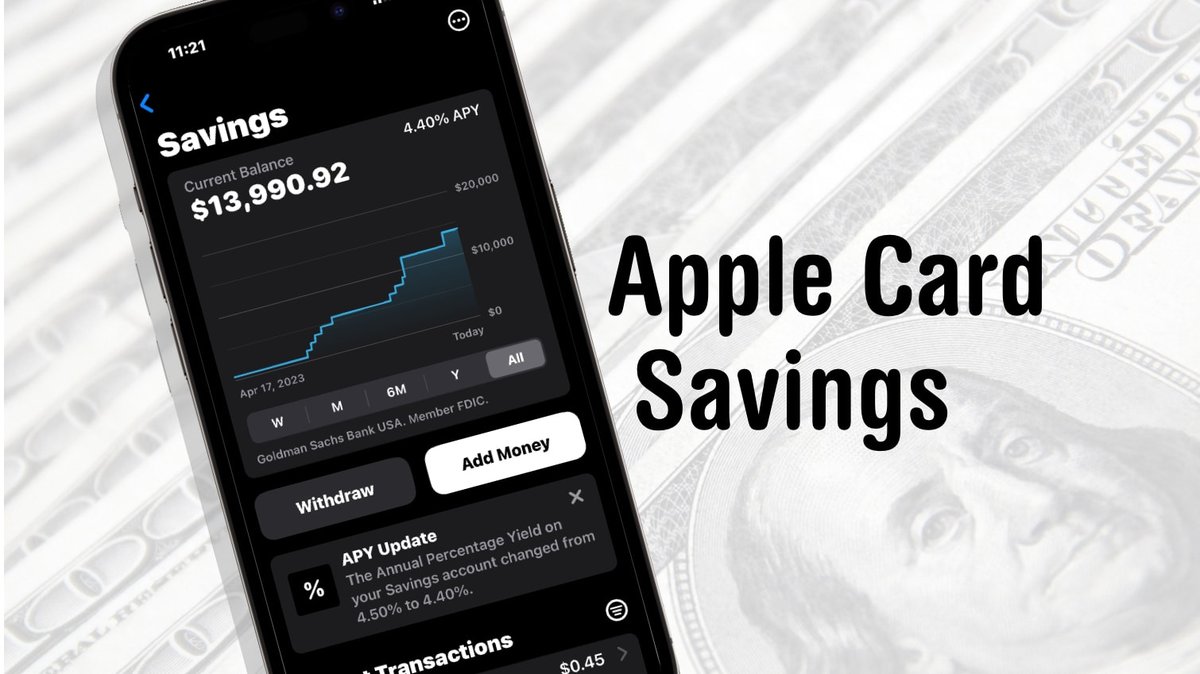
- Grow with Apple Savings: If you've opened an Apple Savings account, your Daily Cash can automatically be deposited there, earning a competitive Annual Percentage Yield (APY) – currently 4.15% APY as of early 2024. This is a powerful way to make your rewards work harder for you.
Daily Cash is unlimited, meaning there's no cap on how much you can earn, making it a potentially lucrative rewards program for frequent Apple users and Apple Pay enthusiasts alike.
Managing Your Apple Card: The Wallet App Advantage
The Apple Card's deep integration with the Wallet app on your iPhone is not just for making payments; it's a comprehensive financial management tool.
Key Wallet App Features:
- Real-time Activity: See your outstanding balance, available credit, and weekly spending activity at a glance.
- Itemized Transactions: View every transaction, categorized and color-coded for easy understanding. You can even see exact locations on a map for physical purchases.
- Payment Management: Easily schedule one-time or recurring payments. The app shows you exactly how much interest you might incur based on your payment amount, making it simple to choose a payment that avoids interest entirely.
- Interest Savings Insights: The "Suggested Payments" feature guides you on how much to pay to avoid interest, helping you stay on track.
- Export Transactions: For budgeting or tax purposes, you can export your transaction data in CSV, Quicken, or QuickBooks formats.
- Customer Support: Get help instantly via text message directly from the Wallet app.
This level of transparency and control empowers you to make smarter financial decisions, helping you avoid unnecessary interest charges and manage your budget effectively.
Applying for the Apple Card: What to Expect
The application process for the Apple Card is designed for speed and simplicity.
- Open Wallet App: On your iPhone, open the Wallet app.
- Tap the '+' Symbol: Located in the top right corner.
- Select Apple Card: Follow the on-screen prompts.
- Enter Personal Details: Provide your name, address, date of birth, and the last four digits of your Social Security number.
- Review Offer: Goldman Sachs will quickly review your information and present you with an offer, including your credit limit and personalized APR. This step is a "soft inquiry" and does not impact your credit score.
- Accept or Decline: If you accept the offer, a "hard inquiry" will be made, which might temporarily ding your credit score by a few points.
Credit limits for the Apple Card have been reported to range widely, from as low as $50 to as high as $15,000, influenced by your credit score, the age of your credit history, and your income.
If your application is initially denied, Apple has previously offered a four-month program to coach users on improving creditworthiness factors, such as paying down existing debt or decreasing income-to-debt ratio. This proactive approach underscores the card's goal of broader financial accessibility.
Sharing the Benefits: Apple Card Family
The Apple Card also supports family sharing, allowing you to extend its benefits to others. With Apple Card Family, you can:
- Co-Own with a Spouse/Partner: Share a single Apple Card account, combine credit limits, build credit together, and view each other's activity. Both co-owners are equally responsible for all balances.
- Add Participants: Invite individuals aged 13 or older to become participants on your account. You can set spending limits for participants aged 13-17, and all participants' spending contributes to the primary account holder's credit history.
This feature makes it easier for families to manage shared expenses and can be a valuable tool for teaching younger family members about responsible credit use.
Is the Apple Card Worth It? Weighing the Pros and Cons
Considering its unique fee structure, rewards, and financing options, many wonder Is the Apple Card worthwhile? for their financial habits.
Pros:
- No Fees: Truly stands out in a crowded credit card market.
- Low APR Potential: For those with excellent credit, the starting APR can be quite competitive.
- Daily Cash: Instant rewards are motivating and flexible.
- 0% Interest Apple Device Financing: A huge draw for Apple product enthusiasts.
- Exceptional Wallet App Integration: Provides powerful tools for managing spending and avoiding interest.
- Privacy-Focused Design: Physical card has no visible numbers; virtual numbers are easily managed in the Wallet app.
Cons:
- Limited Rewards Outside Apple Pay: Only 1% back on physical card purchases, making it less rewarding if you can't use Apple Pay often.
- High End of APR Range: The maximum APR is comparable to other cards for those with lower credit scores.
- Tied to Apple Ecosystem: Requires an iPhone to manage the card effectively.
- Mastercard Network: While widely accepted, some specific perks might be tied to Visa or Amex.
For individuals deeply embedded in the Apple ecosystem who frequently use Apple Pay and purchase Apple products, the card offers substantial value through its rewards and financing options. For those less integrated, the "no fees" aspect is still compelling, but the rewards might not stack up against other cards tailored to specific spending habits.
Final Thoughts: Navigating Your Apple Card Finances
The Apple Card offers a refreshingly transparent approach to credit, largely due to its "no fees" policy and user-friendly interface. While its interest rates (APRs) are comparable to other cards and depend on your creditworthiness, the power to avoid all interest by paying your balance in full each month is always in your hands.
The real value proposition often lies in its unique benefits: the daily cashback that can be instantly used or invested, and the truly 0% interest financing for Apple products. By leveraging these features and utilizing the robust management tools within the Wallet app, you can maximize your benefits and minimize your costs. Understand your spending habits, prioritize paying off your balance, and the Apple Card can be a powerful and financially savvy tool in your digital wallet.